
Women in Uniform: The Silent Strength of Female Officers in Security Force. By Dikko Falilat Kehinde
Women in Uniform: The Silent Strength of Female Officers in Security Force
In the heartbeat of every secure society, there is a uniform. For centuries, that uniform was almost exclusively worn by men – a visible sign of power, force and protection. Today, that narrative is changing. Quietly but steadily, women are stepping into roles once considered beyond their reach, reshaping security institutions across Nigeria, Africa and the wider world with competence, discipline and resolve.
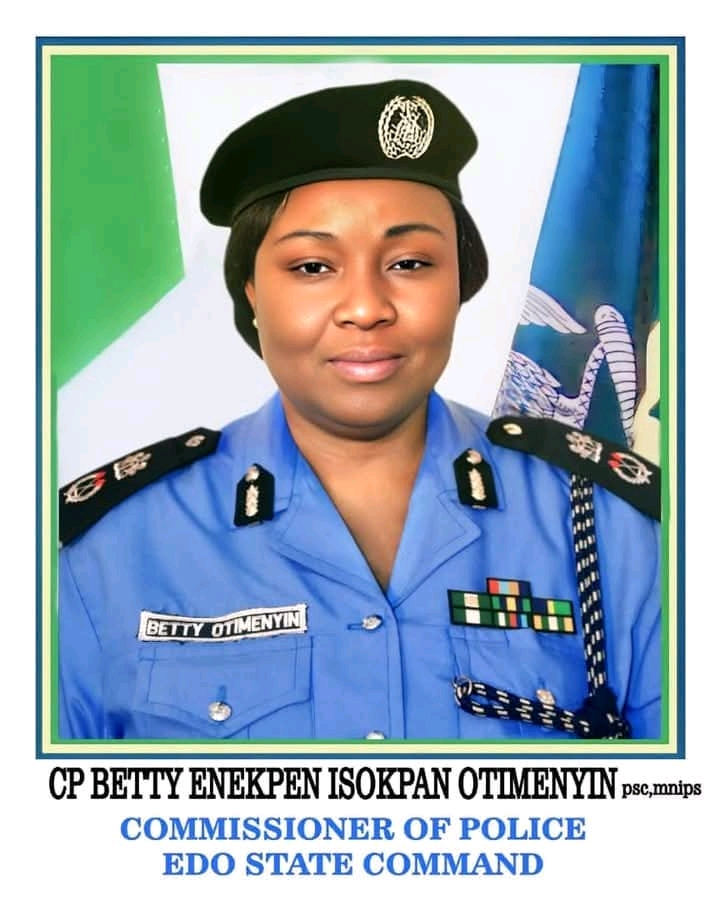
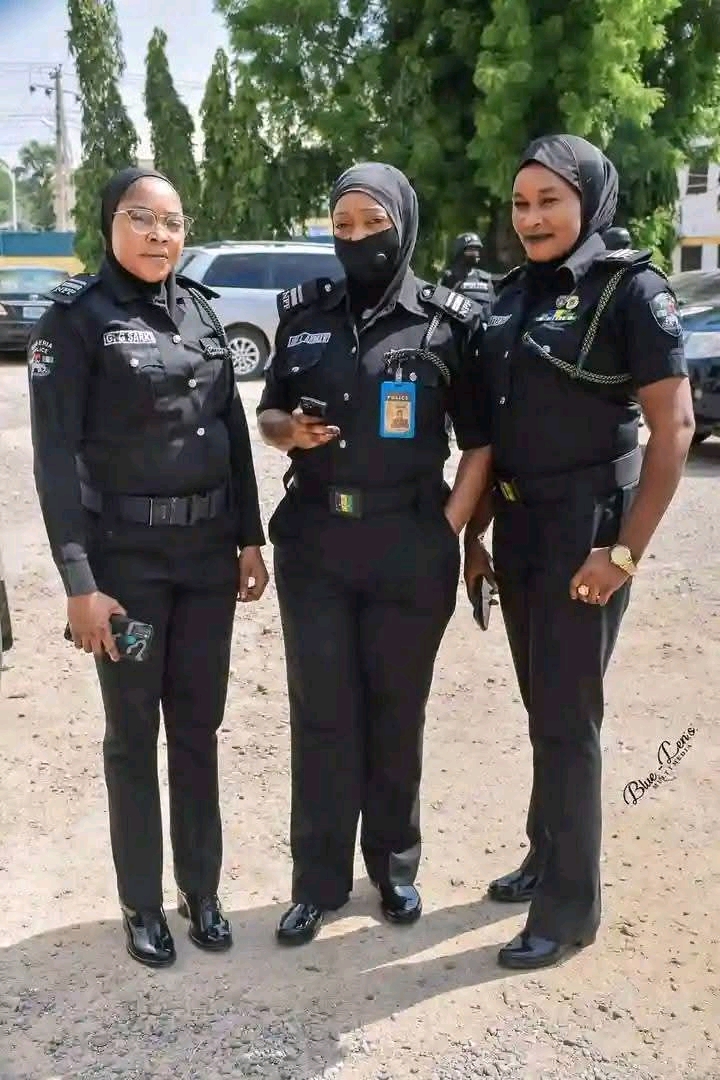
In Nigeria, women formally joined the Nigeria Police Force in 1955. What began as limited participation has grown into meaningful representation in investigation units, traffic management, intelligence services and international peacekeeping missions. As the Force recently marked nearly seven decades of women’s service, it reflected not only on longevity but on progress. Female officers are no longer confined to desk duties; they patrol highways, lead operations and contribute to national strategy.

One notable example is Chief Superintendent Catherine Ugorji, recognised internationally for her service in United Nations peacekeeping missions. Her work in Mali earned her global commendation as runner-up for the UN Women Police Officer of the Year award. In fragile communities recovering from conflict, her approach combined professionalism with empathy, helping to strengthen trust between civilians and security personnel. Her achievement illustrates how representation can influence both policy and perception.
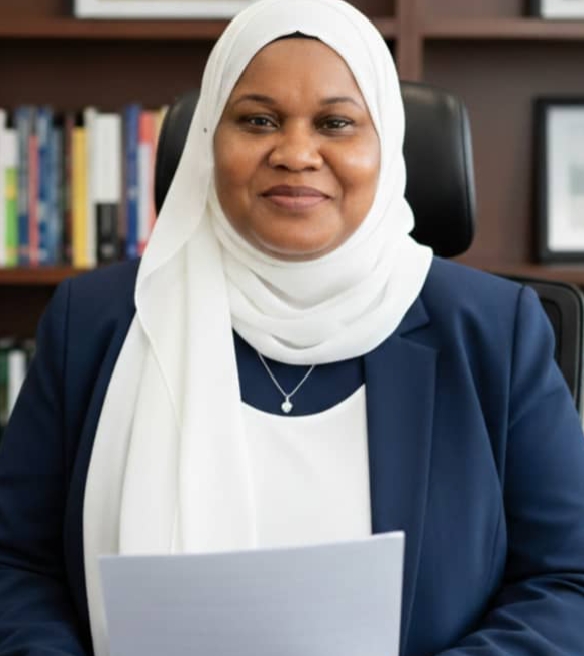
Across Africa, similar stories unfold. In Somalia, Brigadier General Zakia Hussein Ahmed became one of the country’s highest-ranking female police officers and played a key role in establishing an all-female special police unit. In a society where leadership in security has traditionally been male-dominated, her appointment carried symbolic and practical significance. It sent a message that ability, not gender, determines competence.
Elsewhere on the continent, women serve in the armed forces and police services of countries such as Kenya, South Africa and Ghana. Many have participated in peacekeeping operations under the United Nations, contributing to missions in Liberia, Sudan and the Democratic Republic of the Congo. Research consistently shows that female peacekeepers often improve engagement with local women and children, particularly in communities affected by gender-based violence. Their presence can encourage reporting of abuse and strengthen community cooperation.

Beyond Africa, the momentum continues. Bangladesh deployed one of the first all-female police contingents to Haiti under the United Nations Stabilisation Mission, setting a global example for gender inclusion in peace operations. In India, officers such as Major Radhika Sen have been honoured internationally for advocating gender-sensitive approaches within peacekeeping environments. These milestones reflect a broader shift in military and policing institutions worldwide.
The achievements of women in uniform are measurable. They have risen to senior command positions, influenced policy reforms and expanded recruitment efforts for younger generations. In Nigeria, female officers now head specialised units and contribute to counter-terrorism, cybercrime investigation and border security. Their advancement has not weakened institutions; rather, it has strengthened them by broadening perspectives and enhancing professionalism.
However, progress has not come without obstacles. Structural barriers remain a reality in many countries. Cultural expectations, limited access to certain combat roles, and workplace discrimination continue to shape the experiences of many female officers. In some paramilitary services, regulations concerning marriage and pregnancy have historically restricted women’s careers, forcing difficult choices between family life and professional advancement. Although reforms are gradually being introduced, implementation often lags behind intention.
Workplace culture can also present challenges. Reports from various regions highlight issues such as unequal promotion opportunities, lack of mentorship and insufficient welfare support. These are not abstract complaints; they influence retention rates and morale. Addressing them requires more than symbolic celebration days. It demands institutional commitment, transparent policies and consistent accountability.
Yet despite these hurdles, women in uniform persist. Their resilience is neither loud nor theatrical. It is expressed in early morning drills, night patrols, crisis negotiations and long deployments far from home. Many balance demanding careers with family responsibilities, proving that discipline and compassion can coexist. They stand as living evidence that security is strengthened when it reflects the society it protects.
Public perception is also evolving. Younger generations increasingly view careers in the armed forces, police and paramilitary services as viable paths regardless of gender. Visibility matters. When a girl in Abuja, Nairobi or London sees a woman commanding a parade or leading a tactical briefing, the idea of possibility expands. Representation plants seeds of ambition.
The growing inclusion of women in security forces is not merely a matter of fairness; it is a matter of effectiveness. Studies across multiple regions indicate that diverse security teams often perform better in community engagement, conflict resolution and intelligence gathering. Women frequently bring communication styles and problem-solving approaches that complement traditional methods. This does not suggest superiority, but rather balance.
The uniform, once a rigid symbol of exclusion, is gradually becoming a fabric woven with broader representation. It still carries authority, discipline and sacrifice, but it now also reflects inclusion and adaptability. From the streets of Lagos to peacekeeping bases in Central Africa and operational centres in South Asia, female officers continue to demonstrate that strength can be steady, composed and quietly transformative.
Their story is not one of sudden revolution but of determined evolution. Each promotion earned, each mission completed and each barrier dismantled adds another thread to a narrative still being written. Women in uniform are not seeking applause; they are seeking opportunity, fairness and the chance to serve with dignity. In doing so, they are strengthening the very institutions they represent and redefining what security looks like in the twenty-first century.
Dikko Falilat Kehinde
Author, Public Affairs Analyst.
Write from Lagos, Nigeria
07034484445