

The Incident: A Detailed Breakdown By Chidi Ekeh
The Incident: A Detailed Breakdown
By Chidi Ekeh
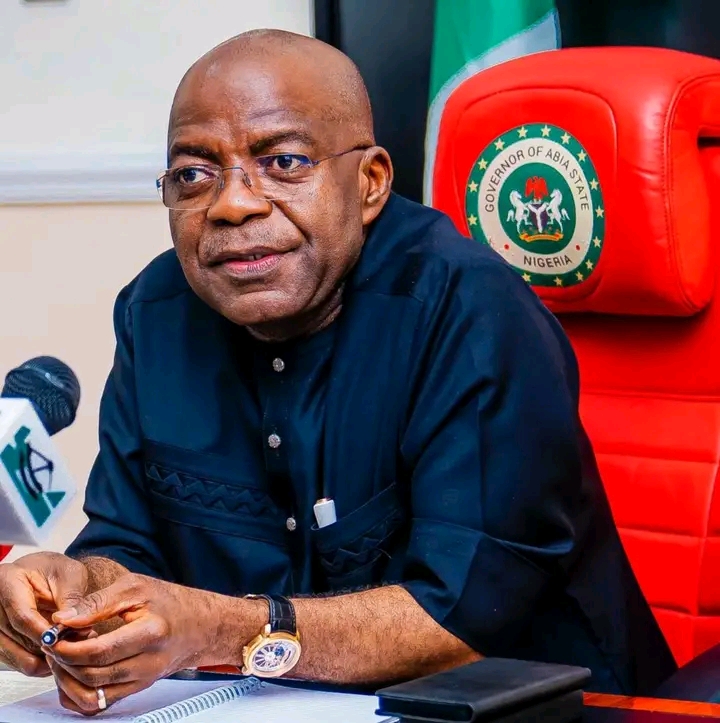
On February 27, 2026, during a monthly media parley in Umuahia, Abia State’s capital, Governor Alex Otti engaged in a heated exchange with journalist Chika Nwabueze of Don Media Group (sometimes referred to as BON Media Group). This event was part of Otti’s regular “Media Chat with the Governor,” which is broadcast live to promote transparency and direct engagement with the press and public.The clash began when Nwabueze posed a question asking for “verifiable data” to demonstrate how Otti’s policies since assuming office in May 2023 had positively impacted the economic and living conditions of Abia residents, beyond visible road infrastructure projects. This query appeared to challenge the governor to provide empirical evidence of broader socioeconomic improvements.Governor Otti responded with visible irritation. He questioned whether Nwabueze actually lived in Abia State or Umuahia, implying the journalist might be out of touch with on-the-ground realities. Otti highlighted several achievements, including newly tarred roads, free school fees for students, reduced travel times and accident rates due to better infrastructure, the introduction of free electric buses, and the establishment of 200 new primary health centers. He labeled the question as “irresponsible” and accused Nwabueze of being unprepared and lacking his own data. Otti emphasized that the media chat was a “serious” forum, not a platform to “massage opposition,” and bluntly stated, “That we throw this open doesn’t mean that people should be stupid.” The exchange was captured on video and quickly went viral on social media, dividing public opinion: some applauded Otti for pushing back against what they saw as uninformed questioning, while others viewed it as an unnecessary attack on press freedom.The immediate aftermath saw no reported escalation at the event itself, but the viral video fueled widespread debate. No apology from Governor Otti has been reported in sources available as of early March 2026.Public and Political Reactions: A Balanced PerspectiveThe incident drew sharp reactions from various quarters. The International Press Centre (IPC), through its SPJ Hub, condemned what it described as Otti’s “verbal assault” and “humiliation” of Nwabueze, calling for a public apology and stressing that public officials must tolerate scrutiny as part of democratic accountability. Similarly, Arise TV anchor Rufai Oseni criticized the governor’s tone, framing it as an overreaction. Political parties also weighed in: the Abia chapter of the People’s Democratic Party (PDP) slammed Otti for insulting a journalist simply for requesting data, while All Progressives Congress (APC) chieftain Paul Ikonne labeled the behavior “dictatorial” and undemocratic, urging an immediate apology instead of further attacks.While these criticisms highlight concerns about press freedom and civility in public discourse, it’s worth examining the context more deeply. Governor Otti, who came to power on a platform of reform and anti-corruption after years of alleged mismanagement under previous administrations, has been noted for his direct and sometimes abrasive style. His response, though sharp, underscores a frustration with questions that he perceived as lacking depth or preparation. In a truth-seeking lens, this raises valid points about journalistic standards without excusing any perceived overreach.Exposing Challenges in Journalism: A Call for Improvement, Not CondemnationIt’s no secret that journalism, like any profession, faces issues with preparation and bias. Many reporters attend briefings with preconceived narratives, influenced by political leanings, funding sources, or sensationalism-driven agendas. In Nigeria’s media landscape, where outlets often align with opposition or ruling parties, this can lead to loaded questions designed more to provoke than to inform. The provided text suggests Nwabueze’s query might fit this pattern—asking for “verifiable data” without presenting any counter-data or specifics, potentially coming across as oppositional rather than objective.That said, condemning the IPC, APC, PDP, Rufai Oseni, or any critics outright would be unfair and unproductive. These entities are exercising their right to free speech, just as the governor did. The IPC, for instance, plays a crucial role in advocating for journalists’ safety and ethics, even if one disagrees with their stance here. Political parties like the APC and PDP have their own histories of governance shortcomings in Abia and elsewhere—think decades of infrastructure neglect, corruption scandals, and unfulfilled promises that Otti’s administration claims to be addressing. Rufai Oseni, as a prominent media figure, often critiques power holders across the spectrum, which is part of his job.Instead of brutal takedowns, let’s focus on constructive encouragement: Journalists, your role is vital in holding leaders accountable, but it demands rigor. Study policies deeply, research facts beforehand, and approach briefings with balanced inquiries. This elevates public discourse and earns respect. Hard work—cross-checking sources, understanding data, and shedding biases—strengthens democracy. Governor Otti’s outburst, while intemperate, serves as a reminder that leaders expect the same level of preparation they put into governance.Quenching Political Flames: Reminders of Shared ShortcomingsTo those politicizing this incident: Let’s dial back the outrage. The PDP’s “slam” ignores their own party’s track record in Abia, where past governors faced accusations of financial mismanagement and stalled development—issues Otti has been working to reverse with initiatives like health center expansions and free education. The APC’s call for an apology rings hollow when considering similar incidents under their affiliates elsewhere. And critics like Oseni: Fair play, but consistent scrutiny across all parties would bolster credibility.Governor Otti isn’t perfect—his words were harsh and could alienate allies—but branding him “dictatorial” over one exchange overlooks his documented efforts in infrastructure, healthcare, and education. Political condemnations often stem from opportunism rather than principle; let’s address real governance failures instead of amplifying minor fracases.Final Thoughts: No Apology Needed, But Lessons for AllRequiring an apology from Governor Otti would undermine the core lesson here: Public forums demand mutual respect and preparation. It might appease critics but could discourage frankness from leaders tired of superficial engagements. That said, civility matters—Otti could have made his point without personal jabs, fostering better dialogue.In the end, this incident is a microcosm of Nigeria’s vibrant, sometimes chaotic democracy. Let’s use it to promote better journalism and accountable leadership, not division. If this article spark thoughtful debate rather than echo chambers.
Chidi Ekeh, a current affairs commentator,writes from Abuja.