Dangote’s whistleblowing shakes oil sector as NMDPRA Chief quits By Prince (Dr). Wumi Akintide
Dangote’s whistleblowing shakes oil sector as NMDPRA Chief quits
By Prince (Dr). Wumi Akintide
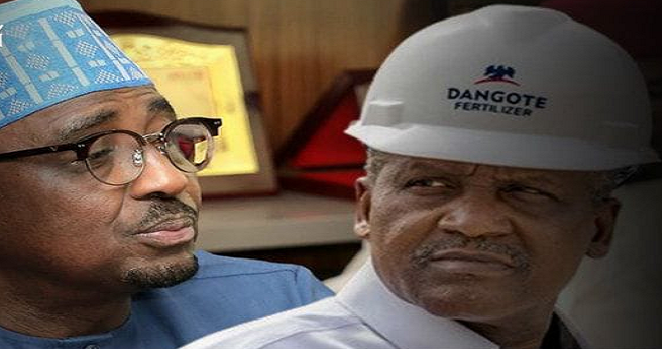
Aliko Dangote’s whistleblowing intervention has once again drawn national attention to the deep-seated flaws within Nigeria’s oil and gas regulatory architecture, following the sudden resignation of the Chief Executive of the Nigerian Midstream and Downstream Petroleum Regulatory Authority (NMDPRA), Mr. Farouk Ahmed.

While the resignation has fuelled intense public debate, the central message from Africa’s richest man is unmistakable: the Federal Government must urgently strengthen oversight and decisively rein in powerful interests that dominate Nigeria’s upstream and downstream oil sectors, industries that remain the backbone of the nation’s internally and externally generated revenues.
Dangote’s core argument is that federal authorities must move beyond rhetoric and proactively police the power brokers who have long held sway over the oil value chain.
The absence of such oversight, he suggests, is one of the reasons the oil subsidy crisis became an albatross around Nigeria’s neck for decades, bleeding the economy and holding the nation to ransom.

For years, the subsidy regime thrived largely because there was no one bold enough to “cry wolf” early enough.
Dangote’s intervention, therefore, marks a rare moment when a key industry player openly challenges a system many have feared or benefitted from.
Critics may argue, perhaps rightly, that Dangote himself has enjoyed substantial federal patronage over the years without objection.
Yet, the significance of his current stance lies not in his past privileges, but in the question he now raises: who watches the watchers?
At the heart of Dangote’s whistleblowing is the insistence that the guardians must be guarded and the hunters must themselves be hunted.
Regulators, security agencies and anti-graft institutions, he argues, cannot be left to operate unchecked, guided only by their own discretion.
The Department of State Services (DSS), for instance, exists to detect and neutralise threats before they escalate into national disasters.
Yet, even such powerful institutions require constant oversight to ensure accountability and prevent abuse of authority.
No institution, however noble its mandate, should be beyond scrutiny.
The same logic applies globally. Even the world’s superpowers, the United States, China and Russia, are subject to international checks through bodies like the United Nations Security Council.
Power, whether national or institutional, must always be regulated.
Dangote’s intervention therefore raises a fundamental governance question that President Bola Tinubu’s administration cannot afford to ignore.
Nigeria’s oil sector, and indeed its democratic institutions, require firm, transparent and impartial oversight for national stability and long-term security.
Recent resignations linked to this whistleblowing episode suggest that Dangote’s action has already rattled entrenched interests. Yet, the larger battle remains against greed and impunity, which continue to enable powerful actors to exploit the system, always demanding more, much like Oliver Twist.
Dangote has raised a valid challenge that must be pursued to its logical conclusion. Agencies charged with enforcing public probity, including the EFCC, must be empowered to do their jobs effectively, and must themselves be subjected to independent monitoring to prevent abuse.
In the final analysis, Nigeria urgently needs a governance framework where hunters are hunted and guardians are guarded.
Anything short of this only perpetuates a cycle of unchecked power and national vulnerability.
I rest my case.
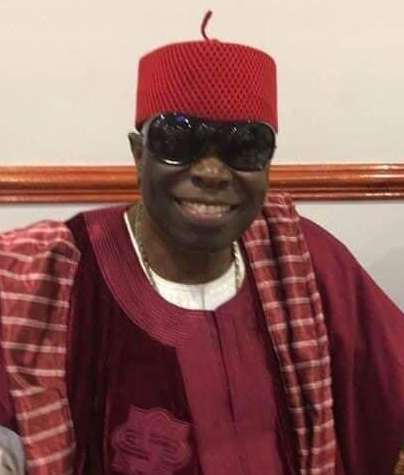
Dr. Wumi Akintide a public affairs commentator writes from Oyemekun Terrace New York City