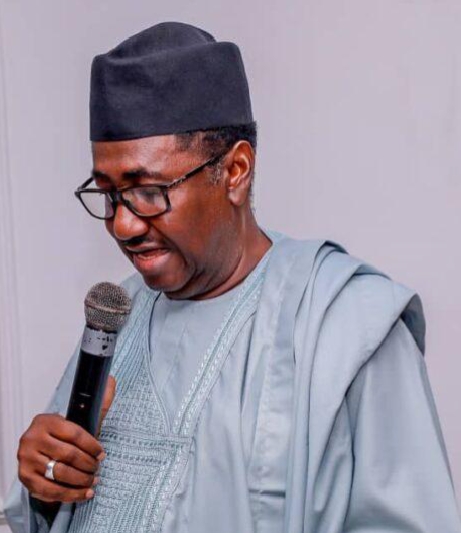

Bad leaders, worse followership: A citizen’s call on government to fix electricity, security, welfare. By Lai Gidado
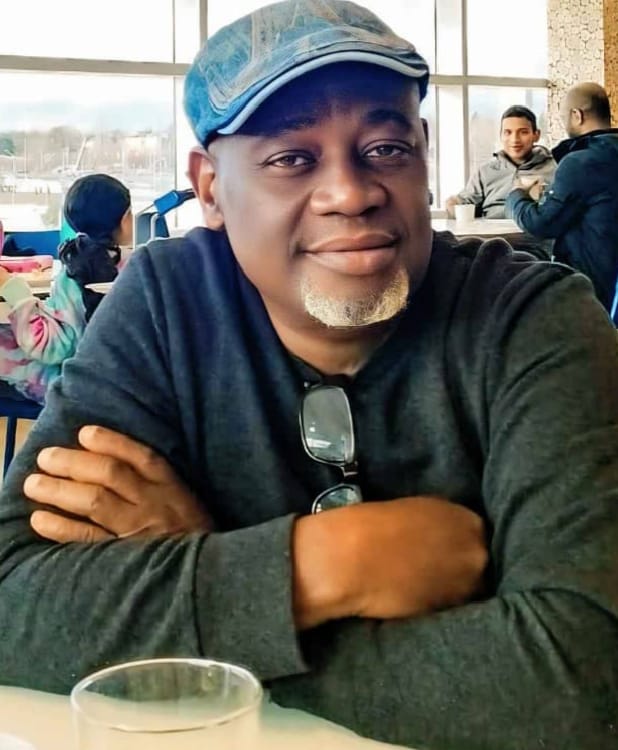
Bad leaders, worse followership: A citizen’s call on government to fix electricity, security, welfare. By Lai Gidado
Often, I find myself arguing with friends that Nigeria’s problem is not only bad leadership.
While we have been unfortunate with poor leaders, we have also been terribly unfortunate as poor followers.
How well do we obey the laws of the land? Do we consistently do the right things? Do our law-enforcement agents carry out their duties faithfully?
Too often, law enforcement appears to obey personalities instead of the law.
And who are these leaders we complain about?
They are ordinary Nigerians like you and me, whom we entrusted with the authority and responsibility to lead.
A bad citizen will most likely become a bad leader. Therefore, for Nigeria to become the country of our dreams, we must all commit ourselves to obeying the law.
Last night, I took time to appraise our 26 years of democratic rule, particularly in the areas of infrastructural development, job creation and citizens’ welfare. Sadly, I scored the system below average.
Are our leaders listening to the cries and yearnings of the citizens?
Are they truly serving the masses?
Do they feel what ordinary Nigerians feel?
These questions continue to trouble my mind.
On 29 May 2023, many Nigerians, including myself, were filled with joy when the President announced the removal of the petrol subsidy.
It was a bold and courageous decision, and I commend Mr President for taking that step.
Unfortunately, the management of the savings from the subsidy removal has left many of us wondering whether our leaders truly understand the realities faced by ordinary citizens.
I expected that the funds saved would be channelled primarily into fixing Nigeria’s electricity sector rather than merely increasing monthly allocations to states.
If our power sector becomes stable and reliable, many good things will naturally follow. Investors will be eager to do business in Nigeria.
Nigerians in the diaspora will be encouraged to return home and invest. Jobs will be created.
The economy could rebound strongly, perhaps even reminiscent of the era when 75 kobo equalled one US dollar.
Now that states are benefiting from the gains of subsidy removal, they must prioritise electricity, especially as several states are now licensed to generate power independently. It is encouraging to hear that Lagos State plans to generate sufficient electricity for 24-hour power supply before the third quarter of 2026.
Abia State has already begun, and Ondo State is making moves to launch its own power project.
If stable electricity becomes the most significant achievement of the Tinubu administration by the end of its eight years, history will remember it as the government that gave Nigerians true economic independence.
The ongoing tensions involving Iran, Israel and the United States present another opportunity for Nigeria to improve the lives of its citizens.
While it would be unfair to blame the current administration entirely for our economic challenges, Nigerians expect the government to lead us out of this crisis.
The condition of the average Nigerian family has deteriorated severely. The middle class is rapidly disappearing, leaving a society divided between the very rich and the very poor.
Pharmacies across urban centres report that the most commonly purchased medicines are now blood-pressure drugs, antidepressants and immune-support treatments.
Many families can no longer afford two meals a day, and some fathers are abandoning their responsibilities out of economic frustration.
Nigeria’s 2026 budget benchmark oil price was projected at $64.85 per barrel, with an exchange rate of ₦1,400/$ and GDP growth of 4.28%.
However, global oil prices have risen sharply due to geopolitical tensions, with Brent crude trading well above $105 per barrel and Nigeria’s Bonny Light crude reaching even higher levels.
This presents a major fiscal opportunity for Nigeria through increased foreign exchange inflows and stronger government revenues.
What is the federal government’s plan to ensure that poor Nigerians benefit from these gains?
The increase in crude oil prices should be treated as a temporary windfall. Government must act swiftly to ensure that ordinary Nigerians feel its positive impact.
It is unfortunate that at a time when oil prices are high, citizens of an oil-producing country are experiencing increased pump prices rather than relief.
Security must also remain a priority. Government owes citizens the duty of protection. A portion of the excess oil revenue should be invested in equipping our security agencies with modern tools to combat insecurity.
Nigeria is effectively fighting a war against enemies within, and our security forces must be fully supported to win that battle.
As we look ahead to future elections, the ongoing political defections and re-defections reveal a troubling level of desperation and opportunism among politicians.
At this critical time, Nigerians must pray for leaders who will serve the nation with integrity and the fear of God.
In conclusion, I call on Mr President to prioritise electricity, the welfare of Nigerians, and our security and safety. Let citizens truly feel the benefits of fuel subsidy removal.
God bless Nigeria and all lovers of Nigeria.
Lai Gidado
7th May, 2026