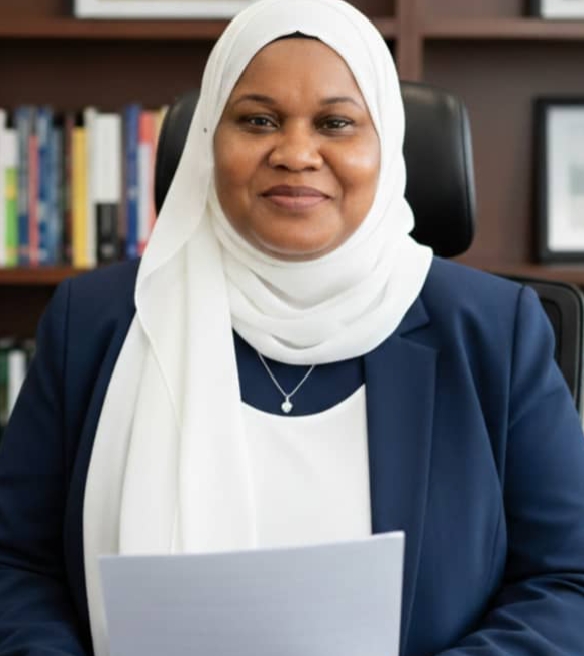
MENOPAUSE: THE SILENT TRANSITION EVERY WOMAN DESERVES TO UNDERSTAND. By Dikko Falilat Kehinde
MENOPAUSE: THE SILENT TRANSITION EVERY WOMAN DESERVES TO UNDERSTAND. By
Dikko Falilat Kehinde
There is a phase in a woman’s life that is rarely talked about openly, yet almost every woman will experience it—a time when the body begins to change in ways that can feel confusing, uncomfortable, and sometimes frightening. This phase is called menopause.
For some women, it comes quietly, almost unnoticed. For others, it arrives with symptoms so intense that it affects their physical health, emotions, relationships, and overall quality of life. The truth is simple but important: menopause is not the same for every woman.

Medically, menopause is confirmed when a woman has gone 12 consecutive months without a menstrual period. It typically occurs between the ages of 45 and 55, although some women may experience it earlier or later. It is caused by a natural decline in hormones, especially estrogen and progesterone which regulate many functions in the female body.
Despite being a normal biological process, menopause is often misunderstood. In many communities, it is either ignored or wrongly interpreted. Some women even begin to fear that something is seriously wrong with them when symptoms appear.
This is where awareness becomes necessary.
Menopause is not a disease. It is not a curse. It is not a spiritual attack. It is a natural transition from one stage of life to another.
However, the symptoms can vary widely.
There are women who pass through menopause with mild experiences. They may notice slight changes like irregular periods, occasional hot flashes, or minor mood shifts, but these do not significantly disrupt their daily lives. These women often continue their routines with little difficulty, adjusting gradually as their bodies change.
On the other hand, some women experience more severe symptoms that can feel overwhelming.
Hot flashes are one of the most common signs, sudden feelings of intense heat that spread through the body, often accompanied by sweating and a rapid heartbeat. These can occur during the day or at night, leading to night sweats that disturb sleep. Over time, lack of proper rest can result in fatigue and irritability.
Joint and muscle pain may also develop, making movement uncomfortable. Some women experience headaches, dizziness, or heart palpitations, which can cause anxiety if not properly understood.
There are also changes that affect a woman’s intimate life. Vaginal dryness, discomfort during intercourse, and reduced sexual desire are common but rarely discussed openly. These issues can affect confidence and create distance in relationships if not handled with care and understanding.
Emotionally, menopause can be just as challenging. Hormonal changes can trigger mood swings, anxiety, forgetfulness, and even depression. A woman may feel unlike herself—easily irritated, withdrawn, or overwhelmed by things she once handled with ease.
This is why support from those around her is essential.
To husbands and men, this is an important message: your partner is not being dramatic, and she is not intentionally difficult. Her body is undergoing a significant internal shift that affects both her physical and emotional well-being. What she needs is not criticism, but understanding.
Simple gestures matter, listening without judgment, offering help, showing patience when her mood changes, and reassuring her that she is not alone. When a woman feels supported, the burden of menopause becomes lighter.
To women, it is important to understand that what you are experiencing is valid but it is also manageable.
If you notice these changes in your body, do not panic. Do not assume the worst. And most importantly, do not keep silent out of fear or shame. Menopause is a shared experience among women across the world, and there is strength in talking about it.
There are practical ways to cope with menopausal symptoms.
Maintaining a healthy lifestyle can make a noticeable difference. Eating balanced meals rich in fruits, vegetables, calcium, and whole grains helps support the body during this transition. Regular physical activity—such as walking, stretching, or light exercise—can improve mood, reduce joint pain, and promote better sleep.
Hydration is also important, as it helps regulate body temperature and reduces discomfort during hot flashes. Avoiding triggers such as excessive caffeine, alcohol, and very spicy foods may also help reduce the frequency of symptoms.
Medical support should not be overlooked. If symptoms become severe or interfere with daily life, it is wise to consult a qualified healthcare professional. There are treatments and therapies available that can help manage symptoms safely and effectively.
Emotional well-being is just as important as physical health. Surround yourself with people who understand and support you. Speak openly with trusted friends, family members, or even other women going through the same phase. You will often find comfort in shared experiences.
Menopause should never be a silent struggle.
It is a stage that deserves attention, education, and compassion. When women are informed, they are less afraid. When men are aware, they become more supportive. And when society understands menopause better, fewer women will suffer in silence.
It is also important to change the narrative around menopause. It is not the end of a woman’s life or usefulness. It does not reduce her value, strength, or beauty. If anything, it marks a stage of maturity, wisdom, and self-awareness.
Many women discover a new sense of freedom during this time—freedom from monthly cycles, freedom to focus on themselves, and freedom to embrace a new phase of life with confidence.
Yes, the journey may come with discomfort. Yes, there may be moments of frustration. But this phase does not define you, it refines you.
With the right knowledge, proper care, and a strong support system, menopause can be faced with courage rather than fear.
So, if you are experiencing these symptoms, remind yourself: this is not the end. It is a transition. Your body is adjusting, not failing. Your life is evolving, not closing.
And for everyone around her—husbands, children, friends….your understanding can make all the difference.
Because no woman should walk through menopause feeling alone, confused, or afraid.
Dikko Falilat Kehinde
Author | Public Affairs Analyst | Writer | Accountant
Writing from Lagos, Nigeria
📞 Phone: 07034484445
📧 Email: Kehindedikko@gmail.com
For professional inquiries, analysis, and writing engagements, contact as above.