
THE HIDDEN PAIN: LIVING WITH ENDOMETRIOSIS AND ADENOMYOSIS. Dikko Falilat Kehinde
THE HIDDEN PAIN: LIVING WITH ENDOMETRIOSIS AND ADENOMYOSIS
By Dikko Falilat Kehinde
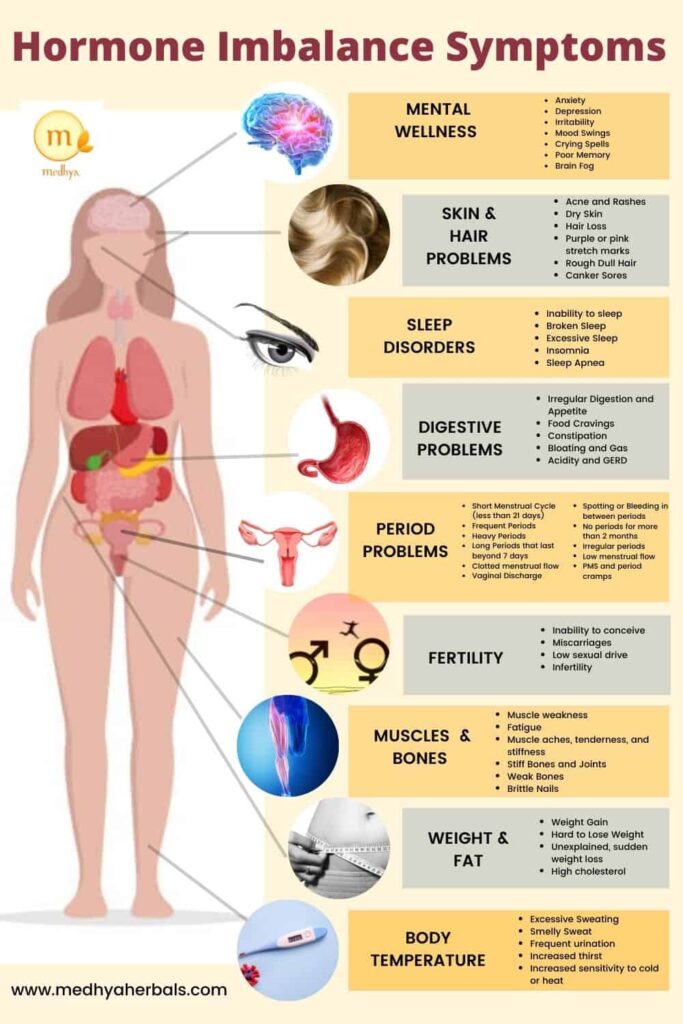
There are pains that announce themselves loudly — a broken arm, a visible wound, a limp that draws sympathy. And then there are pains that whisper, burrow deep, and refuse to be seen. Endometriosis and adenomyosis belong to the latter. They are the silent storms many women endure behind composed smiles, immaculate make-up, and steady professional lives. The world sees strength; it rarely sees the private war raging within.

In a society where menstrual pain is often dismissed with a casual, “It is just your period,” countless women have been taught to swallow agony as though it were an expected rite of passage. They go to school, attend meetings, nurse babies, run businesses, and host guests while their insides feel as though they are being wrung like wet cloth. They master the art of appearing “fine”. They become actresses in their own lives.
Endometriosis is a condition in which tissue similar to the lining of the womb grows outside on the ovaries, fallopian tubes, bladder, or even the bowel. Each month, this tissue responds to hormonal changes, thickening and bleeding, but unlike normal menstrual blood, it has nowhere to go. The result is inflammation, scarring, and pain that can be crippling. Adenomyosis, by contrast, occurs when that same lining grows into the muscular wall of the womb itself, turning what should be a sanctuary of life into a battlefield of relentless cramps and heavy bleeding.
Medical journals provide definitions. Women provide the testimony.

Arinola, a 34-year-old banker, remembers fainting in the office bathroom during what colleagues described as “ordinary cramps”. She had been told for years that she was exaggerating. “I thought perhaps I was weak,” she said quietly. “Other women were coping. Why couldn’t I?” It took seven years before she received a formal diagnosis of endometriosis. Seven years of emergency admissions, misdiagnoses, and whispered doubts about her tolerance for pain.
Then there is Sarah, a teacher in her early forties, who bled so heavily from adenomyosis that she carried spare clothing in her handbag at all times. “I planned my lessons around my cycle,” she admitted. “I avoided school excursions. I stopped attending social events. I lived in fear of embarrassment.” The womb, designed to nurture life, had become an unpredictable tyrant.
These stories are not isolated. According to organisations such as the Endometriosis UK, one in ten women of reproductive age is affected by endometriosis. That figure alone should silence anyone who still considers it rare or exaggerated. Adenomyosis, once thought uncommon, is increasingly recognised as underdiagnosed rather than unusual.
Yet the greatest injury is not always physical. It is the doubt. The raised eyebrow. The implication that the pain is psychological. For centuries, women’s suffering has been trivialised, filed away under hysteria or oversensitivity. The womb, ironically, has been both revered and dismissed.
The impact stretches far beyond monthly discomfort. Chronic pelvic pain can affect relationships, careers, and fertility. Some women struggle to conceive, and when they do, they carry not only hope but the heavy memory of previous losses. Others undergo multiple surgeries to remove scar tissue, only for it to return like an unwelcome guest who refuses to take the hint.
Financial strain adds another layer of burden. Private consultations, laparoscopic procedures, hormonal therapies — these are not trifling expenses. Meanwhile, absenteeism at work may be misinterpreted as unreliability. Ambition can quietly erode under the weight of unmanaged symptoms.
And still, women persevere.
They become experts in timing painkillers. They memorise the geography of their own discomfort. They sit upright through meetings while their insides twist. They smile at family gatherings when they would rather curl into a ball. They embody the old idiom: “Still waters run deep.” Beneath calm exteriors lies an ocean of endurance.
There is, however, reason for cautious optimism. Greater awareness is prompting earlier referrals to gynaecologists. Specialist centres are expanding research into minimally invasive surgery and improved imaging techniques. Medical professionals are slowly acknowledging that severe menstrual pain is not normal and should not be normalised.
Yet awareness alone is not enough. Empathy must follow knowledge.
Partners must understand that cancelled plans are not theatrics but necessity. Employers must recognise that flexible working arrangements can make the difference between retention and resignation. Families must replace scepticism with support.
Language matters too. When a young girl says her period pain makes her vomit or collapse, the appropriate response is not dismissal but investigation. A culture that teaches girls to endure silently risks condemning them to years of avoidable suffering.
There is also a psychological dimension that deserves attention. Chronic pain alters mood, drains resilience, and can lead to anxiety or depression. Women often grieve the bodies they once trusted. They feel betrayed by cycles that refuse to behave. The womb, symbolic of creation and femininity, becomes a source of alienation.
And yet, within this struggle lies extraordinary fortitude.
I have met women who schedule surgery and still organise birthday parties for their children. Women who advocate publicly so that others may receive quicker diagnoses. Women who transform private agony into collective action. Their courage is not loud. It is steady. It is dignified. It is the quiet determination of those who refuse to be defined solely by illness.
We must also confront a broader truth: society is comfortable celebrating women’s strength but less comfortable accommodating their vulnerability. We applaud resilience while ignoring the structures that necessitate it. True support requires systemic change — improved funding for research, shorter waiting times, comprehensive menstrual education in schools, and workplace policies that acknowledge reproductive health as legitimate healthcare.
In Britain and beyond, conversations are shifting. Campaigners, charities, and medical professionals are joining forces to dismantle stigma. But change will gather pace only when ordinary readers recognise that this is not a niche issue. It affects mothers, daughters, colleagues, and friends.
Perhaps the most radical act is simple belief.
To believe a woman when she says she is in pain. To believe that debilitating cramps are not melodrama. To believe that infertility linked to endometriosis is not a moral failing. To believe that heavy bleeding is not exaggeration.
When belief replaces doubt, compassion replaces condescension.
Endometriosis and adenomyosis may be invisible to the naked eye, but they are not imaginary. They are lived realities, etched into diaries, medical files, and private prayers. They test marriages, interrupt careers, and challenge identities. Yet they also reveal an unshakeable truth: women possess a reservoir of strength that is both profound and undervalued.
The time has come to move from silence to solidarity.
Let us teach our sons that menstrual pain is not a joke. Let us teach our daughters that suffering in silence is not a virtue. Let us encourage open conversations in homes, classrooms, and boardrooms. Let us fund research with urgency rather than tokenism.
For every woman quietly gripping her abdomen while answering emails, for every girl missing school because her pain is dismissed as “normal”, for every mother who fears she may never conceive — this is a call to see, to listen, and to act.
Pain may be hidden, but it need not remain unheard.
And when society finally chooses to look beyond the composed exterior and acknowledge the invisible struggle within, we will not merely be alleviating suffering; we will be restoring dignity.
Women have carried this burden in silence for far too long. It is time the world carried it with them.
Dikko Falilat Kehinde
Author and public affairs analyst,
Writes from Lagos, Nigeria.
Kehindedikko@gmail.com
07034484445